Key Features
of Insulated Prefabricated Metal Panels
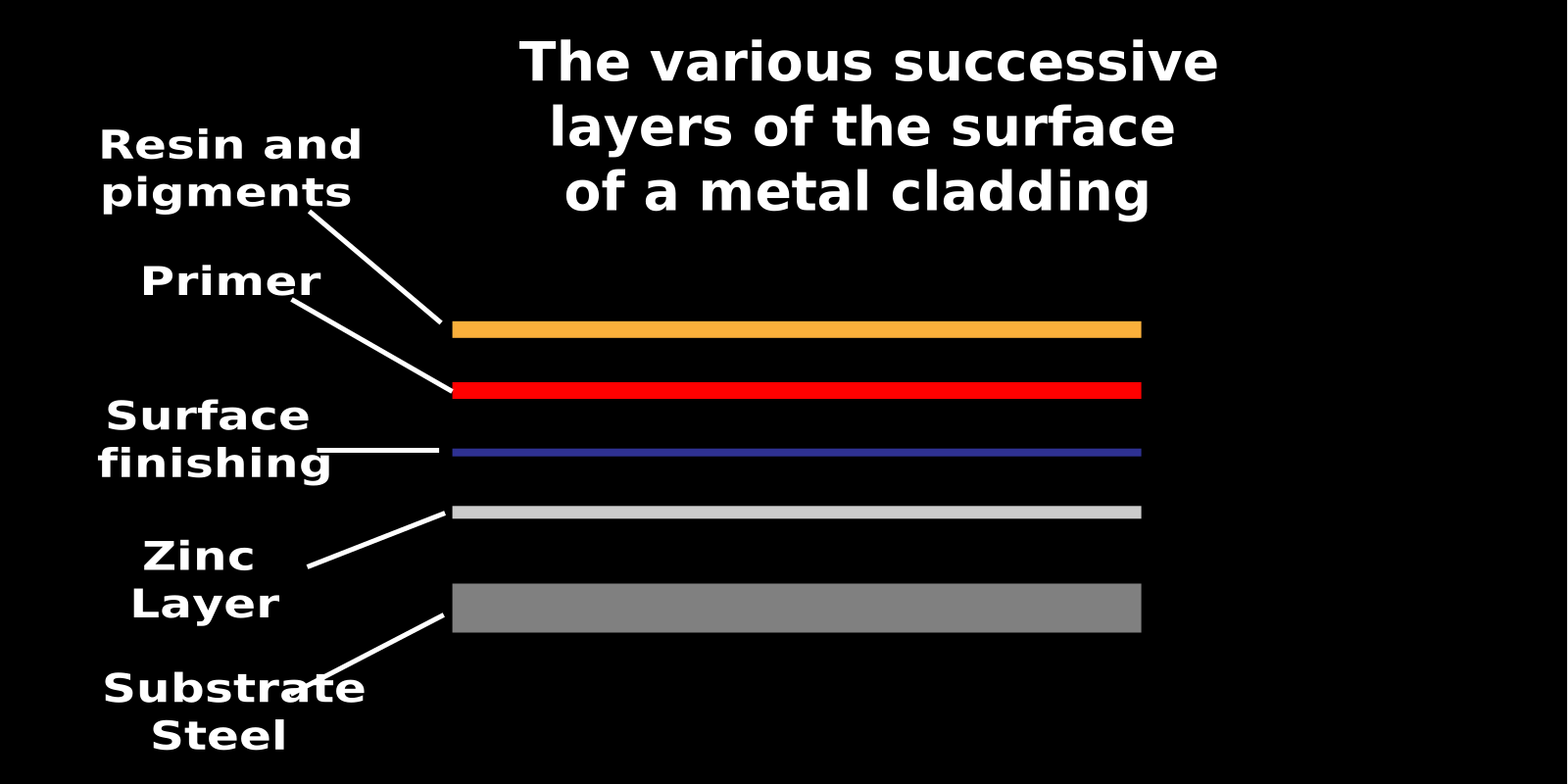
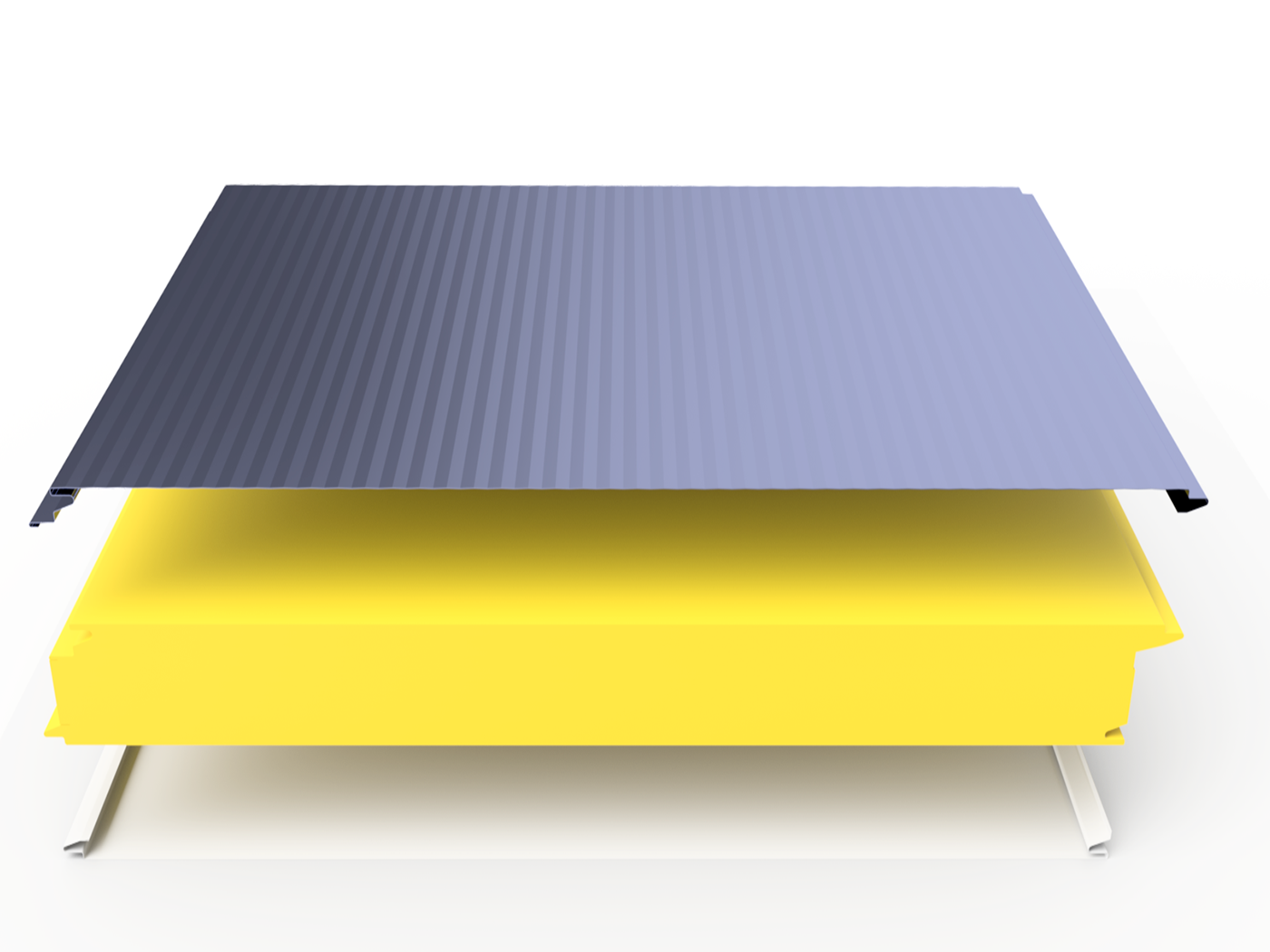
The various successive layers of a metal cladding system
The base steel (gauge 22 or 26) is galvanized of class G90 according to the normalized test ASTM A653/A653M or ASTM A792/A792M (Galvalume). A primer layer is then applied through a chemical polymerization reaction, followed by a finishing layer by baking the resin and pigments forming the paint (pvdf, polyester, polyurethane, pvc, etc.).

A range of colors
A wide range of paint colors is available on the market, much to the delight of designers and architects. Most of these colors come with a Solar Reflectance Index (SRI) provided by the manufacturer, which indicates their ability to heat up under the effect of solar radiation..

A variety of patterns and profiles
Among the most popular profiles are corrugated, fluted, ribbed, smooth, and embossed. Some manufacturers offer a thin layer of silica or quartz aggregates, sprayed on at the factory, over the smooth finish. Special facings can also be attached to the panels.
A rainscreen
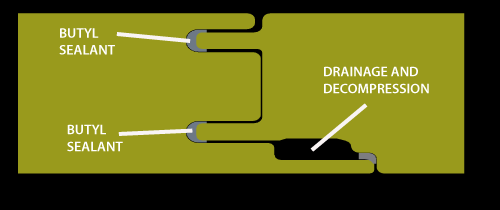
When it comes to wall systems, the sandwich panel industry has adopted the concept of the rainscreen to counteract water infiltration responsible for several building pathologies (loss of thermal insulation, mold, corrosion, etc.).

The concealed anchors
A significant and appealing advantage of sandwich panels is their interlocking joint system, which conceals all screws and fixing hardware. This gives the wall cladding its clean and modern look, so prized by building owners.
Excellent Thermal Resistance
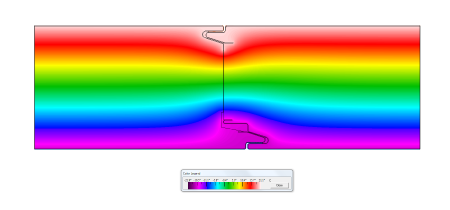
Comparative studies have shown that among several wall systems analyzed according to a thermal insulation-to-space ratio (thickness) criterion, sandwich panels come out on top. Furthermore, their lightness and compact appearance have appealed to cladding contractors.
We design facade projects using Kingspan, Metl-span, Norbec, Awip, Vicwest, etc. panels.
North American Leader in Building Facade Design
Sphenix Mperia® is a Canadian engineering consulting firm offering building engineering and structural strength services in the commercial, industrial, institutional, and residential sectors across Canada.
Learn more...
What is a sandwich panel?
A sandwich panel is generally composed of a core insulation material (polyurethane, polyisocyanurate, expanded or extruded polystyrene, mineral rock fiber, honeycomb/cellular concrete, etc.) bonded to two facing materials,
which can be either steel or aluminum sheets, or more commonly high-density plastic (composite), or plywood.
Three layers are bonded together with a polyurethane or special adhesive during a lamination process on a production line, often a continuous line (for metal facings). Once bonded together, the three layers will form and act as a single panel unit, to which different names have been given by building professionals; Insulated panel, insulated construction panel, prefabricated insulated metal panel, architectural panel, and sometimes SIP, structurally insulated panel...
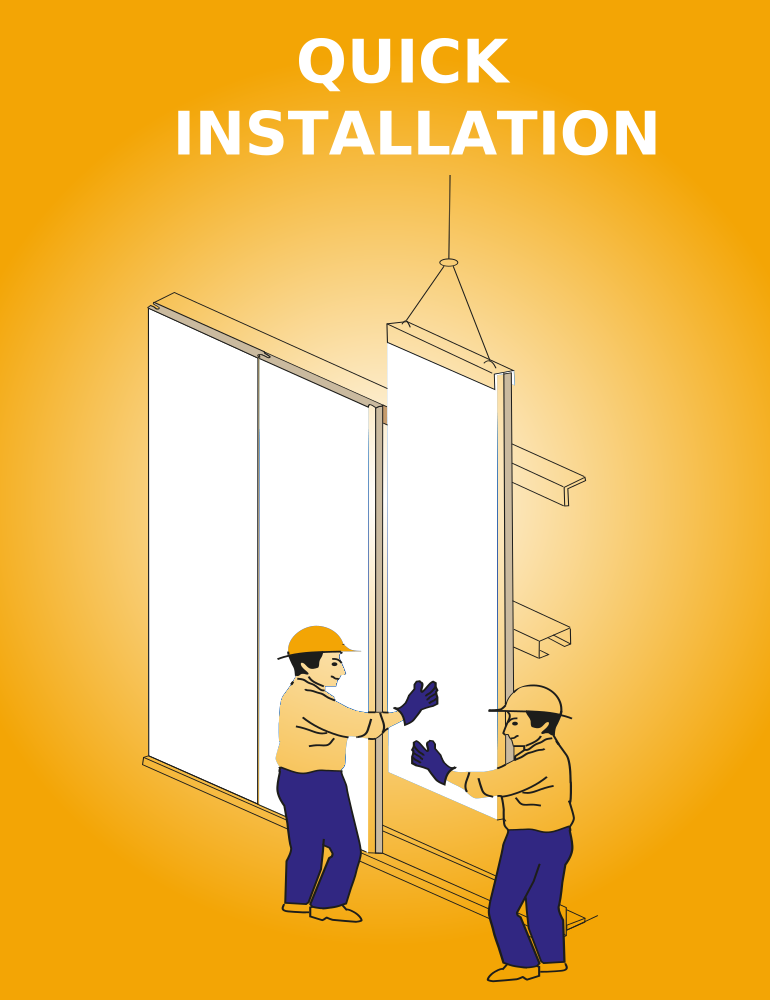
This demonstrates the widespread popularity and consensus surrounding the adoption of this type of cladding unit in the construction industry. Sandwich panels owe their popularity to their clean, sometimes glossy, and highly aesthetic finishes once installed; but above all to their amazing toughness and energy performance, all in a lightweight, compact, and quick-to-install unit!
Our Expertise | Our Know-How
Despite its popularity, sandwich panels remain a complex product whose failure modes and potential for failure are still poorly understood, which has limited their use beyond conventional building cladding. Sandwich panels remain underutilized and have yet to reveal their full performance capabilities to the industry.
Sphenix Mperia, through numerous studies and experiments, is one of the few engineering firms in North America to understand and anticipate the behavior of sandwich panels in unconventional applications. We work with certified products, ASTM E330, AAMA 501.1, ASTM C236, ASTM E72, ASTM E283, CAN/ULC-S01, S02, S126, S134, S138, FM4880 and 4881, in strict compliance with the International Building and Energy Codes. With our industry partners, we have designed and developed several solutions for:
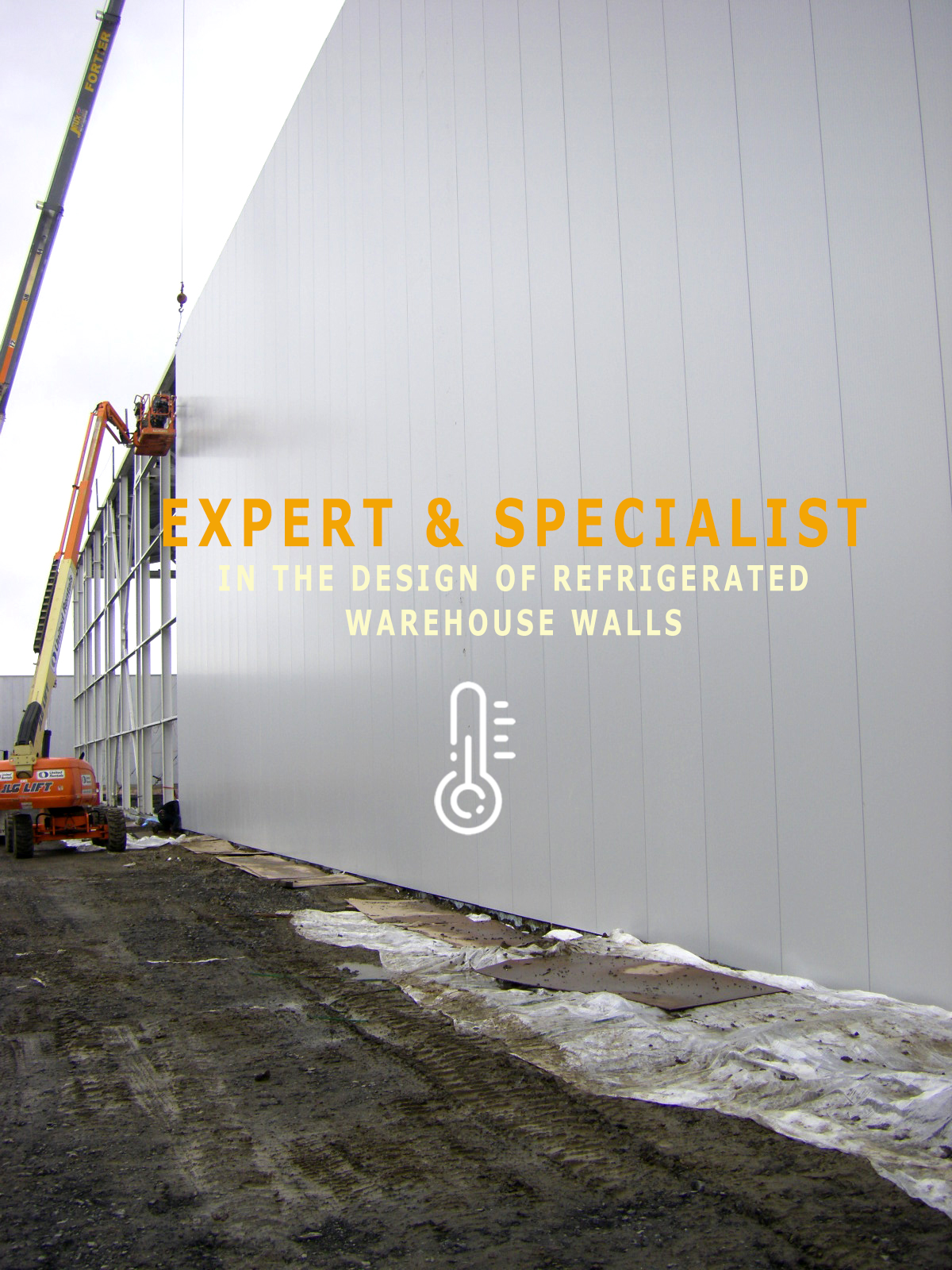
We handle the structural design and engineering of cold storage facilities. We also design refrigerated warehouses. Our services may include the delivery of site plans, depending on the project requirements. Sphenix Mperia is committed to providing you with all the necessary technical and logistical support to ensure the success of your project.
You have a project, a goal, we have solutions. Your satisfaction is our commitment!